/filters:format(jpeg,png)/fit-in/300x300/guide_websites/31691/images/image-2025-05-21t193845.798.png)
/filters:format(jpeg,png)/fit-in/237x80/guide_websites/31691/images/image-2025-05-21t193845.798.png)
Dove Hunting Season in Texas
%2Ffit-in%2F1000x1000%2Ffilters%3Aformat(webp)%2Fguide_websites%2F31691%2Fimages%2F1747836810553image-2025-05-21t194441.159.png&w=1920&q=75)
Published: July 20, 2026
Every year, dove hunting season in Texas signals the unofficial start of fall across the state. From sunflower fields in North Texas to brush country in South Texas, hunters prepare for one of the most popular hunting traditions in the country. Texas leads the nation in dove hunting participation, making Texas dove season as one of the most anticipated times of year for both experienced hunters and beginners.
Whether you are planning your first dove hunt, researching season dates, or looking for a guided hunting trip, understanding regulations, dove species, and regional differences helps maximize success. Texas provides opportunities across multiple regions, including West Texas, East Texas, Central Texas, and South Texas, each with slightly different conditions and bird movement patterns.
When Dove Hunting Season Starts in Texas
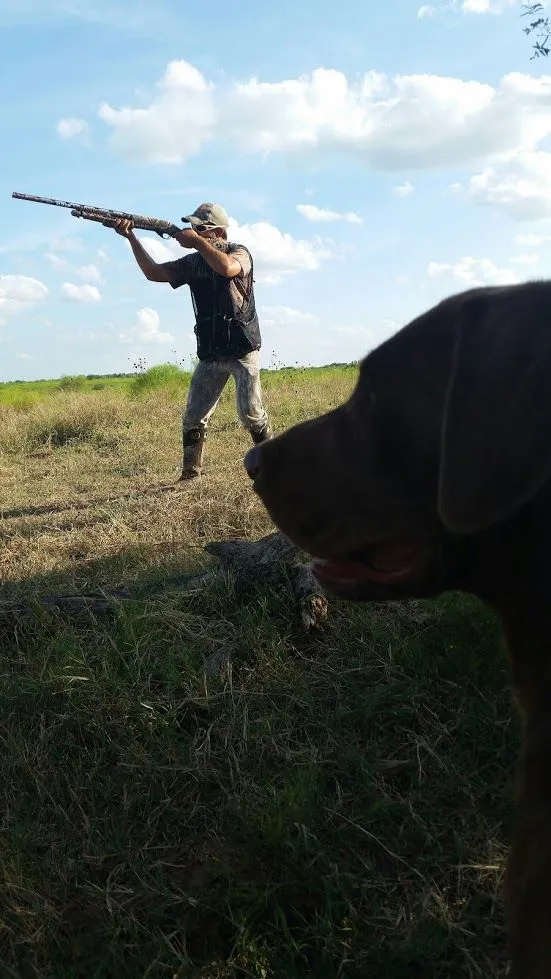
Dove hunting season in Texas begins in early September and continues through winter depending on zone and split seasons. The state divides hunting opportunities into North, Central, and South Dove Zones to align with migratory bird patterns and bird movement.
Season dates vary slightly each year, so checking the Outdoor Annual and Texas Parks regulations before opening day is important. Most Texas hunters also monitor updates from the Texas Game Warden office and state wildlife service announcements before planning trips. The first weeks of dove season usually has the highest bird numbers because migratory game bird populations have not yet experienced hunting pressure.
North Zone Dates
North Texas traditionally hosts some of the busiest opening weekends of the season. Agricultural fields around the Panhandle and rolling plains attract large numbers of mourning doves, making this region especially popular among experienced dove hunters. The North Zone typically opens September 1 and runs through early November before reopening later in winter for the regular season split. Areas with grain fields, water sources, and nearby roosting cover often provide the most productive dove hunting opportunities. Hunters targeting this region frequently combine early season dove hunts with scouting trips for mule deer and other fall hunting opportunities.
Central Zone Dates
Central Texas attracts a large percentage of annual hunting participation because of its accessibility and bird numbers. Hunters from Austin, San Antonio, and surrounding regions travel throughout Central Texas just for the opening weekend. This zone includes productive farmland, stock tanks, and brush country that hold mourning doves and white-winged doves throughout much of the season. Hunters often experience strong action well into October as migratory bird movement increases. A lot of the local outfitters and Central Texas hunting operations provide guided dove hunts for beginners wanting additional support during their first season.
South Zone Dates
South Texas is one of the premier destinations for dove hunting thanks to strong populations of white-winged dove, mourning dove, Eurasian collared dove, and even white tipped dove in certain areas. The South Dove Zone opens later than other zones and extends into winter. The region also contains the Special White-Winged Dove Area, which operates under separate rules during early weekends. South Texas attracts most serious dove hunters because bird concentrations remain strong throughout much of the season, especially near agricultural fields and water sources.
Daily Limits and Regulations
Texas Parks regulations strictly follow federal migratory game bird rules. Hunters should always verify current season dates and regulations before hunting because rules may change slightly from year to year. It is also important that you have a valid hunting license, a migratory game bird endorsement, your HIP registration, hunter education requirements for applicable ages and compliance with bag limits and shooting hours. Remember that Texas Game Warden regularly checks licenses and endorsements during opening weekends, making preparation important before heading into the field. Texas hunting regulations currently allow a daily bag limit of 15 birds in most zones, although special rules may apply depending on region and species.
Dove Species Found in Texas
Texas houses several dove species throughout the season. Mourning doves is still the most harvested bird and account for most hunter success across North Texas, East Texas, and Central Texas. White winged doves dominate much of South Texas and continue expanding their range across the state. They may also encounter a Eurasian collared dove, white tipped dove and occasionally a migratory bird species during seasonal movement. Once you can understand the species identification, you can stay compliant with the regulations.
Best Areas for Dove Hunting in Texas
Successful dove hunting usually comes down to food, water, and scouting.
North Texas has agricultural production and strong opening day opportunities. West Texas is a wide-open country and has large concentrations of birds around grain fields. East Texas supports productive hunting near agricultural corridors and timber edges. While South Texas is one of the strongest destinations for guided hunts because of bird density. Still, most hunters rely on resources such as Texas Dove Hunters Magazine and the Texas Dove Hunters Association for scouting information and seasonal updates.
What Gear You Need
Dove hunting requires a simple equipment as compared to other upland game birds. Your essential gear includes a shotgun with appropriate choke, ammunition, a hunting license documentation, water and shade gear, bird vest and an eye-ear protection. But experienced hunters prefer lightweight setups because afternoon hunt temperatures in Texas often exceed 90 degrees early in the season.
Dove Hunting Tips for Beginners
For a new hunter, dove hunting can feel fast-paced because birds fly erratically and opportunities happen quickly. Do not be overwhelmed and just focus on scouting flight paths, watching water sources, positioning near feeding areas, practicing leads before opening day and lastly, hunting mornings and afternoon hunt windows. Still, most experienced Texas hunters would recommend focusing on one bird at a time rather than shooting into groups.
Why Guided Dove Hunts Help
A guided dove hunt removes many of the challenges beginners face. Guides provide access to productive land, help identify bird movement, and often handle scouting before the season begins. Experienced outfitters combine hunting opportunities with fishing trips, lodging, meals, and additional outdoor experiences, creating full weekend experiences for groups and families. Whether you are a first-time dove hunter or a seasoned hunter, guided experiences often improve success rates significantly.
FAQ
Do you need a hunting license for dove hunting in Texas?
Yes. A hunting license, migratory game bird endorsement, and HIP registration are required for most hunters.
What birds can you legally hunt during dove season?
Common legal species include mourning dove, white winged dove, Eurasian collared dove, and other approved migratory game bird species.
What is the best time to hunt doves?
Early mornings and afternoon hunt periods typically provide the best action because birds move between feeding and roosting areas.
Where can I find current season dates?
Check the Outdoor Annual, Texas Parks resources, or updates from the TPWD Dove Program Leader for current regulations and season information.