/filters:format(jpeg,png)/fit-in/300x300/guide_websites/31691/images/image-2025-05-21t193845.798.png)
/filters:format(jpeg,png)/fit-in/237x80/guide_websites/31691/images/image-2025-05-21t193845.798.png)
How To Catch Trophy Largemouth Bass
%2Ffit-in%2F1000x1000%2Ffilters%3Aformat(webp)%2Fguide_websites%2F31691%2Fimages%2F1747836810553image-2025-05-21t194441.159.png&w=1920&q=75)
Published: July 20, 2026
For any experienced anglers, it’s not just about the excitement or challenge in catching a fish but also the catch that they remember the most. They talk about the giant bass that nearly snapped the line, the trophy fish that surfaced beside the boat, or the huge bass that disappeared back into the water after one bad hookset.
Learning how to catch a trophy largemouth bass is not just about luck and more about changing how you approach fishing. Trophy bass fishing requires patience, better decision-making, and understanding why larger fish behave differently from smaller fish.
For anglers chasing trophy size fish, the goal changes. You stop trying to catch numbers and start learning how to consistently find bigger fish.
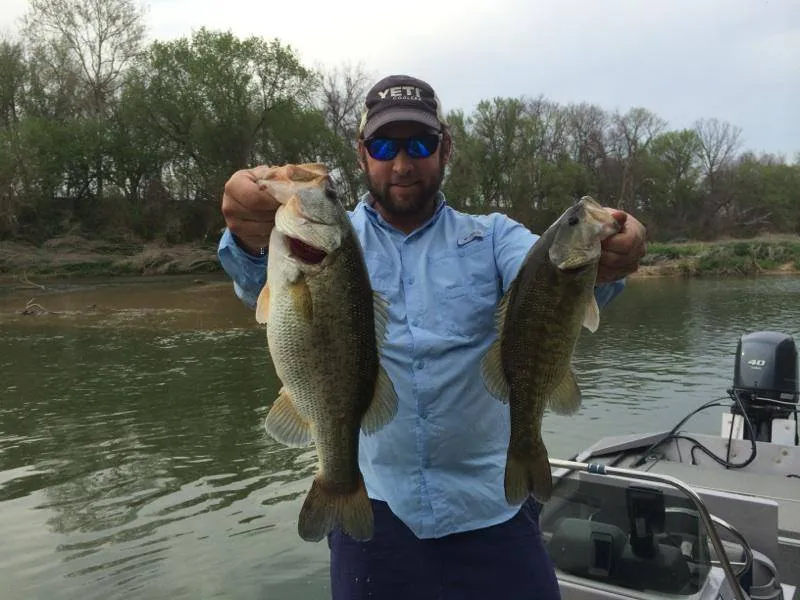
What Makes a Trophy Bass?
Not every largemouth bass fish qualifies as a trophy bass.
For most anglers, a trophy largemouth bass starts around eight pounds, while others focus on double-digit fish or local trophy award programs that recognize exceptional catches. Some fisheries even offer recognition systems, perpetual bass fishing trophy competitions, or seasonal tournaments where anglers compete for a gold cup or standing bass trophy.
What separates trophy bass from average fish isn’t only size. A trophy fish survives years of pressure, changing forage availability, and thousands of poorly presented lures. Large bass become cautious because they’ve learned from experience.
Bass growth takes time, which means every trophy bass you catch has already beaten long odds.
Understanding Why Big Bass Behave Differently
One of the biggest mistakes anglers make is assuming big bass behave like smaller bass.
Smaller fish usually compete aggressively for food. While a trophy largemouth bass becomes more efficient. The larger the fish the more they prefer larger meals because chasing small fish constantly wastes energy. That’s why forage fish become important. Golden shiners, bluegill, shad, crawfish, and other prey species influence where bass position themselves and how they feed. Whether you're targeting giant bass in reservoirs or trophy bass ponds managed specifically for larger fish, understanding available forage often matters more than lure color. Large fish usually feed when conditions favor efficiency.
Location Matters More Than Your Lure Choice
Most anglers spend too much time switching bait and not enough time studying water.
Trophy bass position around areas that provide food, cover, and easy access to deeper water. Points, standing timber, vegetation edges, creek channels, and isolated cover regularly hold larger fish. This is why largemouth bass fishing becomes more about pattern recognition than random casting.
Smallmouth bass fishing follows similar rules, but largemouth would prefer thicker cover and slower presentations. If you want to consistently catch bigger fish, spend more time locating fish before making casts.
Choosing the Right Bait for Trophy Bass Fishing
The best bait for trophy bass usually looks like a full meal.
Larger fish ignores presentations designed for smaller bass because the energy payoff isn’t worth it. This just means that bigger bait profiles tend to attract larger fish because they imitate prey species that mature bass regularly eat.
Live bait is still effective in many trophy fisheries because it naturally imitates forage fish. Golden shiners are especially popular in waters known for producing huge bass and Florida bass genetics.
Artificial bait still works well when used correctly. Consider large soft plastics, swimbaits, jigs, and topwater lure presentations to trigger aggressive reactions from trophy largemouth bass.
The key isn’t constantly changing bait. It is about fishing patiently.
Why Bigger Fish Require Slower Presentations
Most anglers fish too quickly.
Large bass rarely reward rushed retrieves. Trophy bass fishing often means slowing down far beyond what feels comfortable.
Pause longer. Let bait settle. Work cover carefully.
Most anglers targeting trophy size fish discover that waiting a few extra seconds around productive structure dramatically increases opportunities. In order for you to catch a large fish, you need to patiently wait.
Understanding Seasonal Patterns
Fish behavior changes throughout the year and that matches the season.
Spring creates some of the best opportunities because largemouth move shallow and feed aggressively before spawning. During this period, male bass protect beds while larger females position nearby.
Summer often pushes fish deeper, especially in clear water systems.
Fall also is a great opportunity because bass feed heavily on forage fish before temperatures drop.
Even flyfishing enthusiasts would target trophy bass during active feeding periods, especially when fish push bait toward shorelines. This is the reason why understanding seasonal movement patterns helps anglers predict where trophy fish position themselves.
Trophy Bass vs Other Game Fish
Bass may be the most popular among anglers, but they aren’t the only game fish being chased.
Striped bass, smallmouth bass, saltwater fishing species, and other fish species also offer unique challenges.
What makes trophy largemouth bass different is consistency. Few freshwater fish combine aggression, intelligence, accessibility, and growth potential quite like largemouth. That combination is why trophy bass remain one of the most sought-after freshwater targets.
Gear Matters More With Larger Fish
Average equipment can catch average fish. Large fish expose weaknesses quickly. A quality fishing rod, dependable reel setup, stronger hooks, and line capable of handling aggressive fights become increasingly important when targeting trophy bass. The reason why most anglers lose trophy fish is because of equipment mistakes or rushed decisions and not because the fish outsmarted them.
Why Many Anglers Never Catch a Trophy Bass
The hardest truth about trophy bass fishing is simple, most anglers quit too early.
They move too often. Fish too fast. Chase smaller fish because action feels better than patience. What most anglers fail to realize is that a trophy fish rewards discipline. Sometimes that means fishing for hours with fewer bites while waiting for one opportunity and that one opportunity is usually all it takes.
Frequently Asked Questions
How long does it take to catch a trophy largemouth bass?
There’s no timeline. Some anglers catch trophy fish quickly while others spend years learning patterns.
Are trophy bass ponds worth fishing?
Many trophy bass pond systems are specifically managed to support bass growth and larger fish populations, making them attractive for anglers targeting size.
Do crown awards fish trophy programs exist?
Most tournaments and organizations use custom awards, including Crown Awards fish trophy options, seasonal trophy award programs, and custom recognition systems for exceptional catches.
Final Thoughts
The anglers who consistently catch trophy largemouth bass usually aren’t making dramatically different casts.
They’re making better decisions.
They understand fish behavior, focus on larger fish patterns, remain patient, and accept that chasing trophy bass means sacrificing quantity for quality. And when that giant bass finally hits, none of the slow days matter anymore.